The Stellantis crisis is no longer a slow burn, it is now visible in the data, the product decisions, and the factory floor. The EU27 + UK market figures show growth on the surface, but underneath that sits a structural imbalance.
In March 2026, total registrations reached 1.58 million units, up from 1.42 million the year before. Year-to-date volume hit 3.53 million, a modest increase on 2025.
At face value, that looks stable. It isn’t.
The market is being propped up by aggressive discounting, incentives, and a flood of new models chasing static demand.
The Tesla Model Y sold 33,700 units in March 2026 across EU27 + UK, up 116%, while mainstream staples like the Volkswagen Golf and Peugeot 208 are declining year-on-year market share.
The Leapmotor T03, a small Chinese-built EV sold via Stellantis, exploded into the charts with 6,800 units in March 2026 and over 539% growth. That looks like success. It isn’t.
The T03 became a headline act in Europe because it was effectively sold for the price of an e-bicycle in Italy. With a list price of €15,900 and incentives of up to €11,000, the real-world price dropped as low as €4,900 until the Italian subsidy was withdrawn.
This is not a functioning market. It is a subsidy transfer mechanism.
France blocked eligibility for incentives because the vehicle was assembled in Poland using semi-knockdown kits from China. Production stopped on 30 March 2026, and there are no current plans to resume European output. Other Leapmotor vehicles, A10, B10 and C10, remain on track with some headed to Italy for assembly.
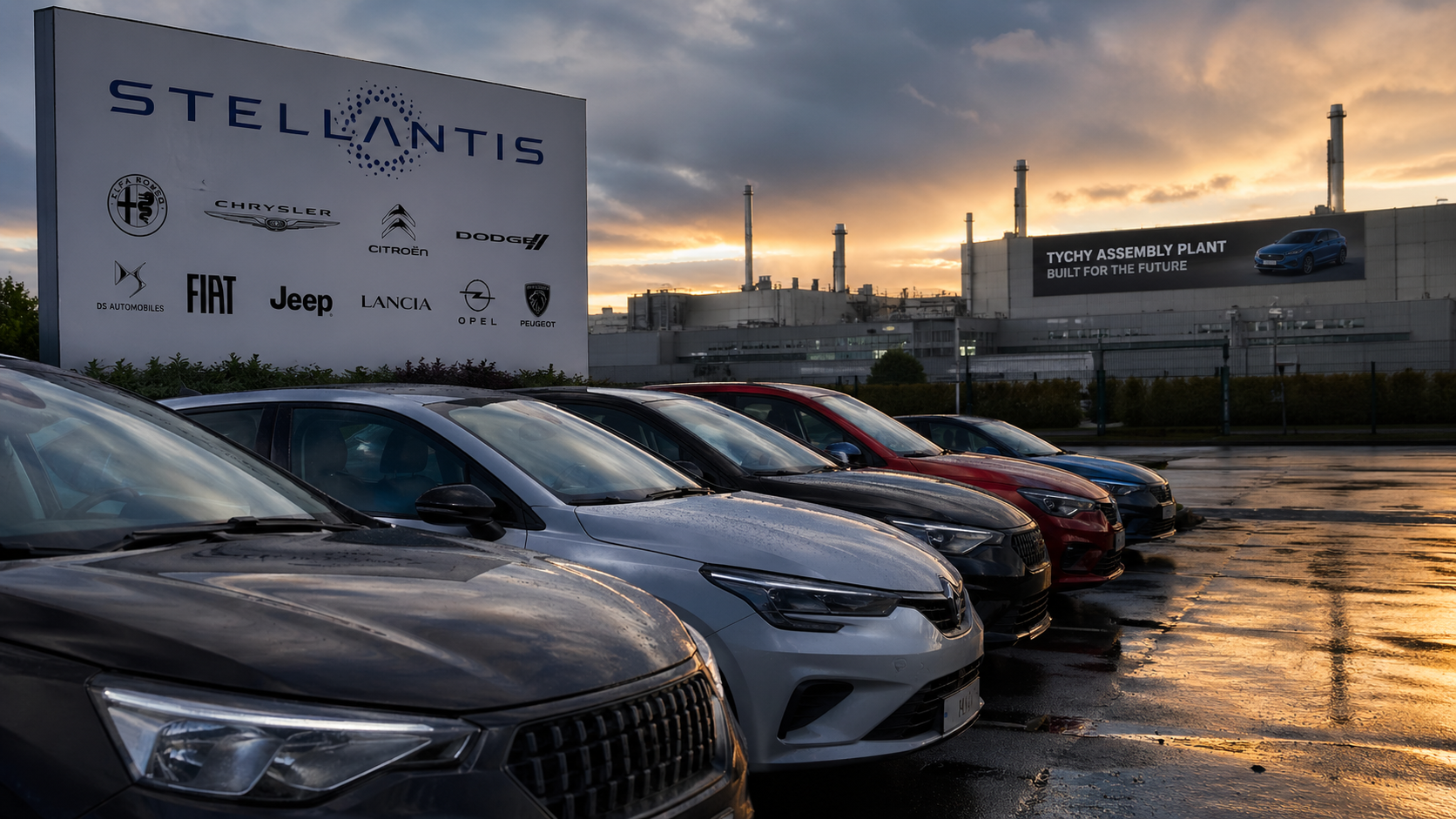
Stellantis is now reviewing its European manufacturing footprint, identifying four plants as surplus capacity. Chinese partners including Dongfeng have already toured sites.
In the US, the Jeep Wagoneer S tells the same story. Sales collapsed after the removal of the $7,500 federal tax credit, dropping from over 10,000 units to just 613 in six months. Stellantis has skipped the 2026 model year entirely.
Meanwhile, Chinese brands are expanding rapidly, filling gaps and using pricing as a primary weapon.
For repairers, this creates immediate issues:
– Parts volatility as models appear and disappear rapidly
– Inconsistent repair data
– Residual value uncertainty
The politicians across the EU27 and UK had assumed electrification demand would be linear and subsidies would bridge the gap. That assumption is now failing.
The key question is simple: is the automotive business model damaged beyond repair by political meddling? The industry is not collapsing, but parts of its structure clearly are. The challenge now is how quickly the rest adapts.